

The Art of Preserving Handcrafted Leather
Leather sneakers are an investment in quality, not just a casual purchase. The rich full-grain calfskin, precise hand-stitching, and thoughtful design that make a pair exceptional demand an equally considered approach to care. Regular attention does not just keep them looking new — it preserves the material's natural character and allows the leather to develop a unique patina over time, adding depth and personality that no factory finish can replicate.
Caring for premium leather sneakers relies on a handful of simple yet effective daily and weekly habits. Gentle cleaning after each wear, periodic conditioning to restore essential oils, protective spraying appropriate to the leather type, the consistent use of cedar shoe trees to maintain structure and absorb moisture, and proper storage away from direct heat and sunlight form the foundation. These five practices, applied with discipline, transform maintenance from a chore into a quiet ritual that honors the craftsmanship behind each pair.
Leather Sneaker Care Guide
- Cedar shoe trees absorb moisture, maintain shape, and can extend leather footwear lifespan by up to three years per the Society of Master Shoe Repairers.
- Leather should be conditioned every six to eight weeks to prevent drying and surface cracking, per the Leather Conservation Centre.
- Never place leather sneakers in a washing machine—the agitation and harsh detergents compromise handcrafted construction and can cause irreversible damage.
- Waterproofing spray is not recommended for smooth full-grain leather—it clogs pores, preventing conditioners from penetrating and leading to dryness.
- To remove scuffs on smooth leather, gently buff with a color-correcting leather cream; deeper marks benefit from a pigmented shoe cream like Saphir Medaille d'Or Pommadier.
- When drying wet leather sneakers, blot with a soft towel, stuff with unprinted paper, and air dry away from heat or sunlight for 24–48 hours.
- Odour can be treated by sprinkling bicarbonate of soda inside overnight, or by using cedar shoe trees to absorb moisture and impart fragrance.
- Rotating between two pairs extends their usable life by up to four times compared to wearing the same pair daily.
- In hot and humid climates like India, condition leather every four to six weeks during peak summer months to counteract faster drying.
- Clean laces and insoles separately by hand — laces with mild soap and warm water, insoles with a damp cloth and mild soap, then air dry completely.
1. Clean Gently After Every Wear
A daily ritual of gentle care is the simplest way to preserve the beauty of your leather sneakers. Dust and dirt, if left unchecked, can gradually dull the surface. A soft, dry cloth or a horsehair brush after each wear lifts away loose particles before they can settle into the grain.
For a deeper clean, use a mild leather cleaner or a gentle soap mixed with water. Apply with a slightly damp cloth using small, circular motions, then wipe away any residue with a clean, damp cloth. This method lifts embedded grime without stripping the natural oils that keep leather supple.
Avoid harsh detergents, bleach-based cleaners, or excessive water. These can warp the leather, damage the bonds, and compromise the structure of your sneakers. The same caution applies to washing machines, which can compromise the handcrafted quality of your sneakers. Gentle, consistent care preserves both the appearance and the integrity of the leather.
2. Condition to Maintain Supple Leather
Leather is a natural material that, like skin, requires periodic nourishment to stay flexible and resist cracking. Without regular conditioning, the fibres lose their natural oils, becoming dry and brittle over time. The Leather Conservation Centre recommends conditioning leather footwear every six to eight weeks to prevent moisture loss and surface cracking.
A cream-based or balm conditioner is the best choice for routine care — it absorbs well without darkening light leathers and leaves a subtle sheen. Apply a small amount with a soft cloth in gentle, circular motions, working it into the entire upper. Let the conditioner soak in for 10–20 minutes, then buff with a clean, dry cloth to restore a natural lustre. For VVID’s Croco Edition sneakers, made from full-grain calf leather, this simple step preserves their refined finish and ensures they age gracefully rather than wear out.
Always condition after a thorough clean — dirt and old product block absorption. Never apply conditioner to wet leather, and avoid over-conditioning, which can leave a sticky residue and clog the pores. A well-timed conditioning session every two months, paired with the gentle daily cleaning described earlier, will keep your leather sneakers supple, polished, and ready for years of wear.
3. Protect with Waterproofing Spray
A final layer of protection shields your leather sneakers from rain, spills, and everyday stains. Before wearing a new pair for the first time, and again after a deep clean, apply a premium waterproofing spray to create an invisible barrier that repels liquids without compromising the leather’s natural finish.
Choose a breathable, non-silicone formula to avoid clogging the pores of the leather. Silicone-based sprays can prevent conditioners from penetrating later, leading to dryness over time. A non-silicone spray lets the leather breathe while still providing effective protection against moisture.
Reapply the spray every few months or after each thorough cleaning to maintain its effectiveness. One important note: waterproofing spray is not recommended for smooth leather. On smooth leather it clogs the pores and blocks nourishing substances from penetrating, which can dry out the material in the long term. Reserve spray-on protectants for suede, nubuck, or textile panels, and stick with shoe cream or conditioner for smooth leather protection.
Application. Hold the spray 15–20 cm from the surface and apply a light, even coat. Allow it to dry fully before wearing.Frequency. Reapply every three months or after a deep cleaning. For sneakers worn in wet conditions, increase frequency.Leather type. Use on suede, nubuck, and textiles. Avoid on smooth leather — use conditioner or cream instead.
4. Use Cedar Shoe Trees After Wearing
After each wear, honor your leather sneakers with the ritual of inserting cedar shoe trees—a practice that preserves their bespoke shape and extends their life. The fragrant wood draws away moisture absorbed from your feet, allowing the leather to dry evenly and naturally. This simple habit also maintains the shoe's silhouette, preventing the front from collapsing and the body from developing deep creases between wears.
The benefits extend well beyond structure. Cedar shoe trees are the secret to a lifetime of wear, preserving the integrity of the leather so your sneakers remain as elegant as the day you bought them. The wood's natural oils also freshen the interior, keeping your sneakers smelling clean between deeper cleaning sessions.
Insert the shoe tree gently after you remove the sneakers, pushing it into the toe to take up slack without forcing the seam. Avoid leaving the pair by a radiator or in direct sunlight; let them rest in a cool, ventilated spot where the cedar can do its work while the leather recovers.
5. Store Properly Away from Sun and Heat
The final step in caring for your leather sneakers is storing them correctly. Keep your sneakers in a breathable cotton dust bag in a cool, dark, well-ventilated space. Direct sunlight and heat sources like radiators can dry out and crack the leather over time.
Plastic storage traps humidity, which can weaken adhesives and encourage mould. A cotton bag allows the leather to breathe. VVID provides each pair with a storage bag that protects from dust and light while maintaining airflow.
Rest between wears. Allow leather to dry fully by leaving at least 24 to 48 hours between wears. According to the Society of Master Shoe Repairers, consistent shoe tree use can extend the lifespan of leather footwear by up to three years. Rotating between two pairs extends their usable life by up to four times compared to wearing the same pair daily.Prevent creasing. Insert cedar shoe trees immediately after each wear. They absorb moisture, maintain shape, and prevent the toe box from collapsing.
| Storage method | Effect on leather | Recommended |
|---|---|---|
| Breathable cotton dust bag | Prevents dust, allows airflow | Yes |
| Plastic box or bag | Traps humidity, weakens glue | No |
| Direct sunlight | Fades colour, dries leather | No |
| Near radiator or heater | Causes cracking | No |
| Cedar shoe tree inside | Maintains shape, absorbs moisture | Yes |
How Often Should You Condition Leather Sneakers?
Regular conditioning is the most direct way to preserve the flexibility and appearance of your leather sneakers. According to guidelines from the Leather Conservation Centre, leather footwear in regular use should be conditioned every six to eight weeks to prevent drying and surface cracking.
Applying a small amount of neutral, cream-based leather conditioner with a microfiber cloth in gentle, circular motions, then buffing after a few hours, keeps the leather supple. The goal is to maintain the material's natural moisture balance without over-saturating it.
For those in hot and humid climates like India, the frequency may need adjusting. High heat and humidity can cause leather to become dry and stiff more quickly, so monitor the surface closely and condition slightly more often if the material starts to look dry or feel brittle. VVID's handcrafted full-grain calf leather responds especially well to this attentive approach — a light conditioning every four to six weeks during peak summer months keeps each pair as refined as the day it was made.
A well-maintained pair can last many years with proper care, and a typical shoe-care kit costs less than the price of a new pair. The effort is minimal compared to the return in longevity and lasting beauty.
Can You Put Leather Sneakers in a Washing Machine?
A single spin cycle can undo years of craftsmanship. Leather sneakers should never be placed in a washing machine. The violent agitation and harsh detergents compromise the delicate construction that gives the shoe its form and grace.. What emerges from the drum is often a misshapen, stiff shell that no amount of care can restore.
The machine's spin cycle is especially damaging. It forces water deep into the leather, weakening its structure and causing it to shrink unevenly as it dries. The heat and friction also compromise the union of the sole and the upper, a problem that makes professional restoration costly or impossible. This rough treatment strips the leather of its natural character, leaving it brittle and prone to cracking.
The Ritual of Hand Care
Instead of the machine, embrace a gentle hand-cleaning method that respects the material. Remove the laces and insoles, then brush away surface dust with a soft brush. Dampen a cloth with lukewarm water and apply a mild leather soap, working it into the leather in small, circular motions. Avoid soaking the leather — a slightly damp cloth is enough to lift dirt without saturating the material.
After cleaning, pat the sneakers dry with a soft towel and let them air dry in a well-ventilated space away from direct heat or sunlight. Insert shoe trees or stuff the shoes with unprinted paper to help them hold their shape as they dry. Once completely dry, follow up with a leather balm to replenish the richness lost during cleaning.
Cleaning Laces and Insoles Separately
Laces and insoles can be cleaned separately without risk. Hand-wash laces with mild soap and warm water, gently working the soap between your fingers. For tougher grime, soak them briefly before rinsing. A small amount of baking soda mixed into the wash water helps brighten white laces. Insoles should be wiped with a damp cloth and mild soap, then air dried completely before being returned to the shoes.
This separation is part of the same thoughtful approach that defines care for handcrafted leather footwear. VVID applies that philosophy to every pair it makes, building each sneaker with full-grain calf leather and hand-stitched seams that reward gentle, deliberate maintenance. A machine would compromise what the atelier took care to create.
What Is the Best Way to Remove Scuffs from Leather Sneakers?
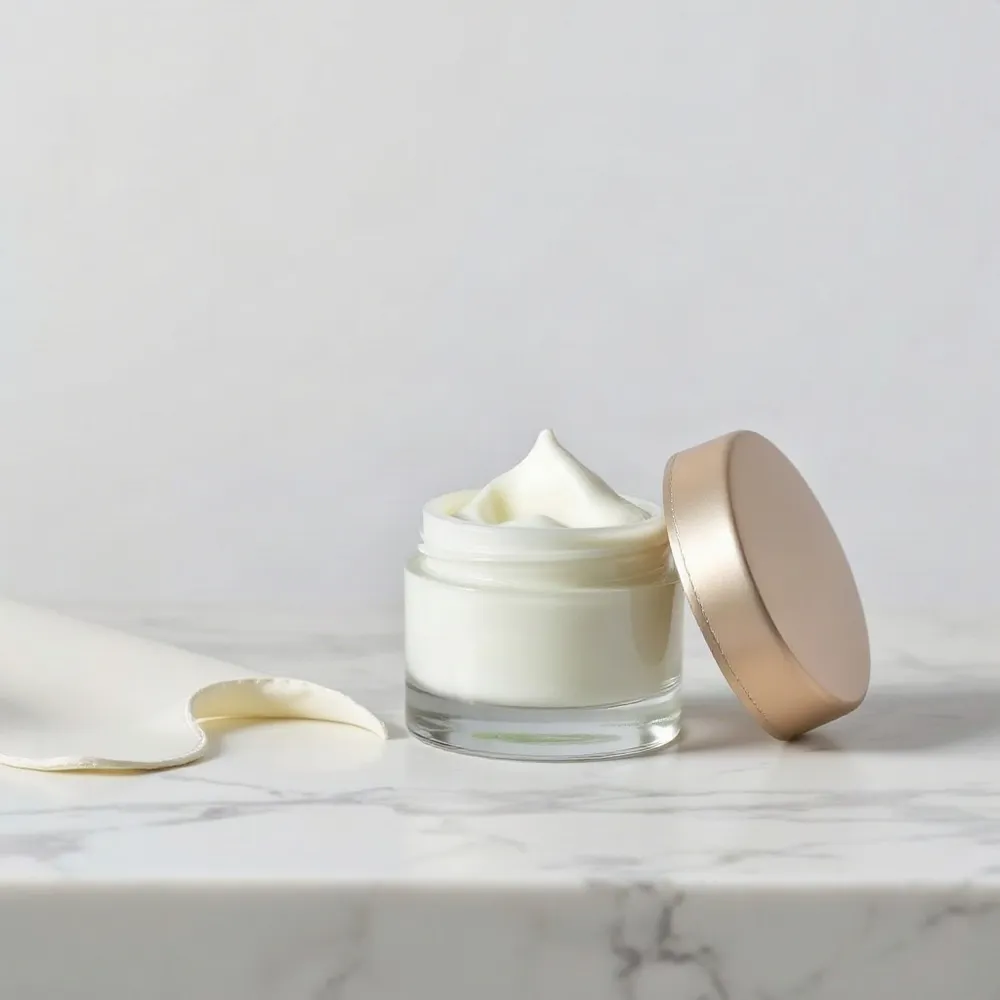
A scuff mark on a well-loved pair of leather sneakers is rarely a permanent flaw; it is often a surface-level blemish that responds well to the right technique and product. For minor scuffs, the simplest approach is to gently rub the affected area with a soft, clean cloth and a small amount of color-correcting leather cream. This method gently buffs away the mark while adding a touch of nourishment to the leather.
Deeper scuffs or faded patches benefit from a pigmented shoe cream, applied only after the leather has been properly cleaned and allowed to dry. A cream such as Saphir Medaille d'Or Pommadier, which combines nourishment with color restoration, is an excellent choice. Apply a thin layer with a cloth in small, circular motions, let it absorb for several minutes, and then buff to a soft shine. For any suede detailing on the sneaker, a dedicated suede eraser is the safest tool, lifting dirt and marks without damaging the delicate nap.
For those who invest in handcrafted pairs, such as the full-grain calf leather sneakers offered by VVID, this targeted approach to scuff removal works in harmony with the material's natural patina. Rather than masking the shoe's history, it preserves the refined character that develops with mindful wear, keeping each pair looking deliberately aged rather than carelessly worn.
How Should You Dry Wet Leather Sneakers?
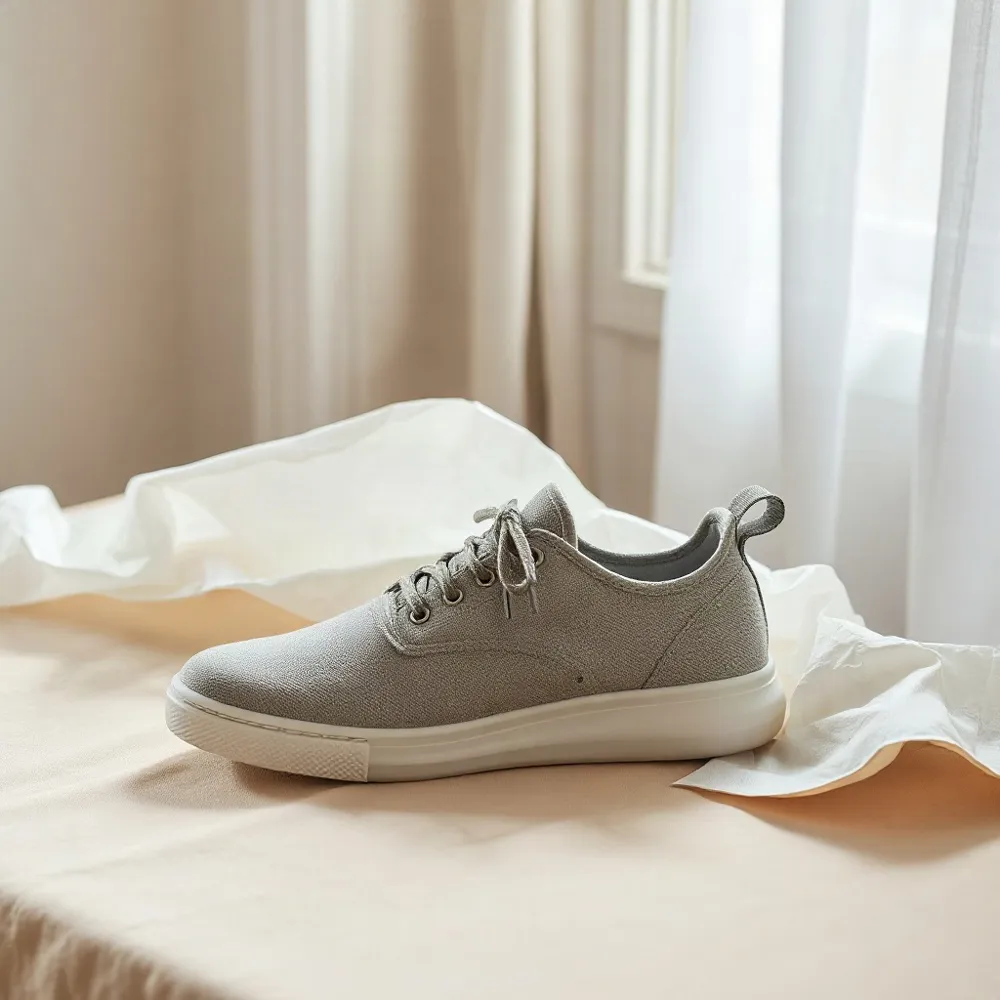
When leather sneakers get soaked, the way you dry them determines whether they will retain their shape and finish or become stiff and cracked. The instinct to speed up the process with a hairdryer or radiator is the one action that most reliably damages the leather, causing it to shrink and lose its natural oils.
Start by blotting visible moisture from the surface using a soft, absorbent towel. Use gentle pressing motions rather than rubbing, which can push water deeper into the fibers or abrade the finish. Once the surface is dry to the touch, stuff each sneaker loosely with unprinted paper towels or plain newspaper. These materials wick internal moisture out of the leather and hold the sneaker's shape as it dries, preventing the toe box and heel from collapsing.
Place the sneakers in a well-ventilated space at room temperature, away from direct sunlight, radiators, or forced air. Experts at FEIT Direct recommend rotating the sneakers every two to three hours during drying, which promotes uniform drying and prevents flat spots or uneven shrinkage. Patience is essential — allow the sneakers to rest for 24 to 48 hours before conditioning or wearing them again, ensuring all internal dampness has evaporated. Rushing the process with heat will undo years of craftsmanship.
What Should You Do About Odor in Leather Sneakers?
Leather sneakers are an investment in artisan quality, and like any finely crafted object, they deserve thoughtful care. When odour arises, it is merely a sign that moisture and microorganisms have found a temporary home—not a permanent flaw. A gentle, time-honoured remedy is to sprinkle a small amount of bicarbonate of soda inside the sneakers and let it rest overnight. In the morning, a soft tap removes the powder, leaving the interior fresh and residue-free.
For ongoing preservation, adopt the ritual of cedar shoe trees. Aromatic cedar, prized for its natural ability to absorb moisture and impart a subtle fragrance, has long been favoured by master shoemakers. The Society of Master Shoe Repairers notes that consistent use of shoe trees not only keeps the leather dry but also extends the life of the footwear—a practice that honours the craftsmanship of each pair. Insert them immediately after wearing to maintain the shoe's shape and freshness.
Equally essential is the discipline of resting your sneakers. Clean the insoles regularly and allow at least 24 hours between wears to let the leather breathe fully. A rotation of two or more pairs ensures each has time to recover, preserving the integrity of the materials. With these rituals, your leather sneakers will remain as refined as the day they were crafted.
Can Waterproofing Spray Be Used on All Leather Types?
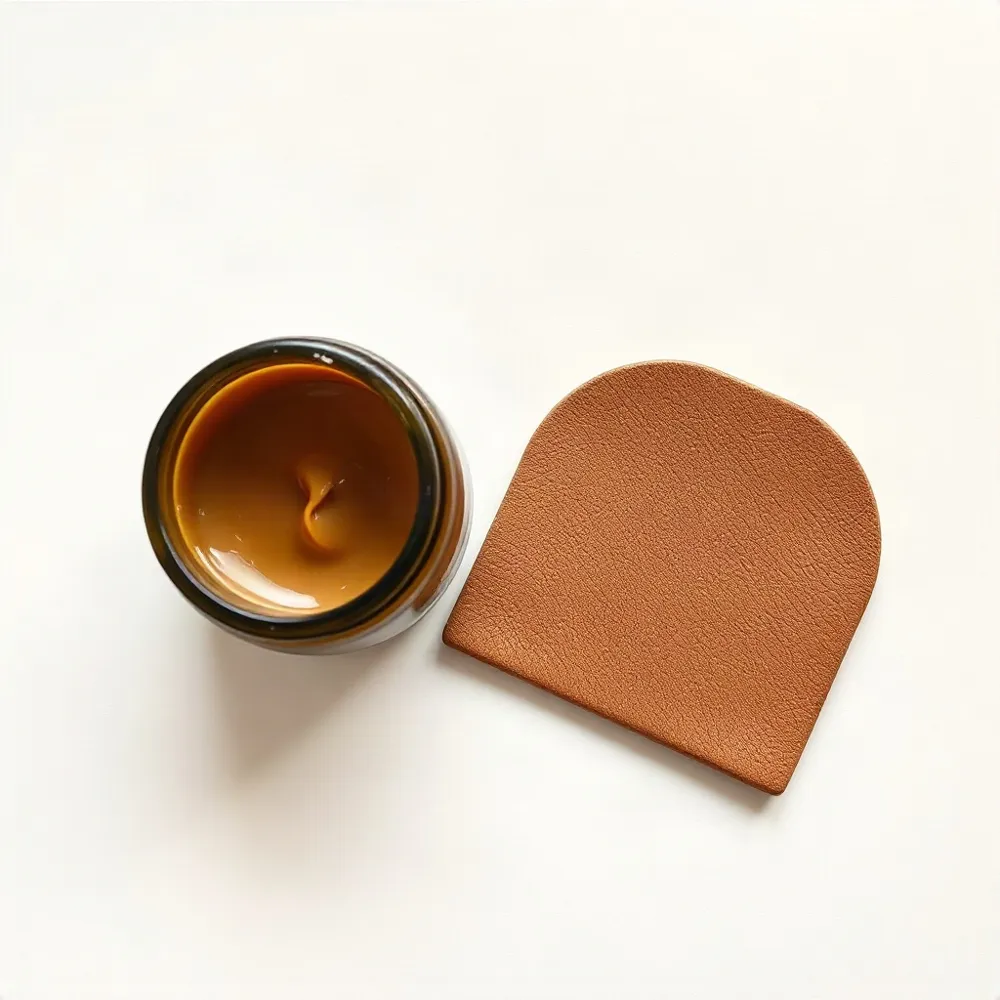
Waterproofing spray is a popular choice for protecting footwear, but it is not suitable for every leather finish. Using the wrong protectant on your leather sneakers can damage the material.
Smooth, full-grain leather should never be treated with waterproofing spray. The spray clogs the natural pores of the leather, which prevents nourishing conditioners and creams from penetrating the hide. Over time, this leads to dryness and cracking as the material is starved of the oils it needs to stay flexible.
For smooth leather sneakers, a high-quality shoe cream or conditioner lotion provides all the protection the material needs. A cream like Saphir Médaille d'Or Pommadier conditions, restores colour, and creates a subtle barrier against light moisture without blocking the leather's ability to breathe. This is the approach taken by discerning brands such as VVID, whose handcrafted full-grain calf leather sneakers are designed to be maintained with cream-based care that respects the natural character of the leather.
Waterproofing spray is appropriate for suede, nubuck, and textile sneakers. These porous materials benefit from an invisible barrier that repels liquids and prevents staining. Before spraying, always brush up the fibers with a suede brush so the protectant reaches the full surface. Reapply the spray after each thorough cleaning to maintain the barrier.
Embracing a Ritual of Care
These practices form a quiet daily ritual that honors the integrity of handcrafted materials. Consistent, gentle care preserves both the beauty and the longevity of your leather sneakers, allowing them to develop a rich character with time.
Caring for what you love is the essence of quiet luxury. VVID designs each pair for those who value this philosophy, ensuring that every sneaker remains a testament to artisan quality for years to come.