

Redefining Luxury Through Intentional Craftsmanship
The modern luxury landscape is moving away from the fleeting cycles of mass production toward a more deliberate appreciation for longevity. While high-end houses often rely on recognizable logos, the philosophy of quiet luxury prioritizes subtle sophistication through refined materials and timeless silhouettes. For the discerning shopper, this represents a shift where durability and tactile quality replace conspicuous branding.
Mass-produced footwear and apparel frequently lack the emotional resonance found in authentic, heritage-driven design. At VVID, we believe that true value resides in the narrative of creation. By merging traditional hand-finished techniques with modern performance architecture, specifically in our Croco Edition sneakers, we offer an alternative to the uniformity of mass-market luxury. Unlike industrial alternatives that prioritize rapid output, our atelier process ensures that every piece of full-grain calf leather reflects the expertise of our skilled artisans.
Integrating these pieces into a personal wardrobe requires a commitment to artisanal integrity. By valuing the deep connection between heritage and modern utility, VVID provides high-end essentials that age gracefully. This intentional approach allows individuals to curate a collection defined by character, integrity, and the distinct touch of the human hand.
The Quiet Luxury Philosophy at VVID
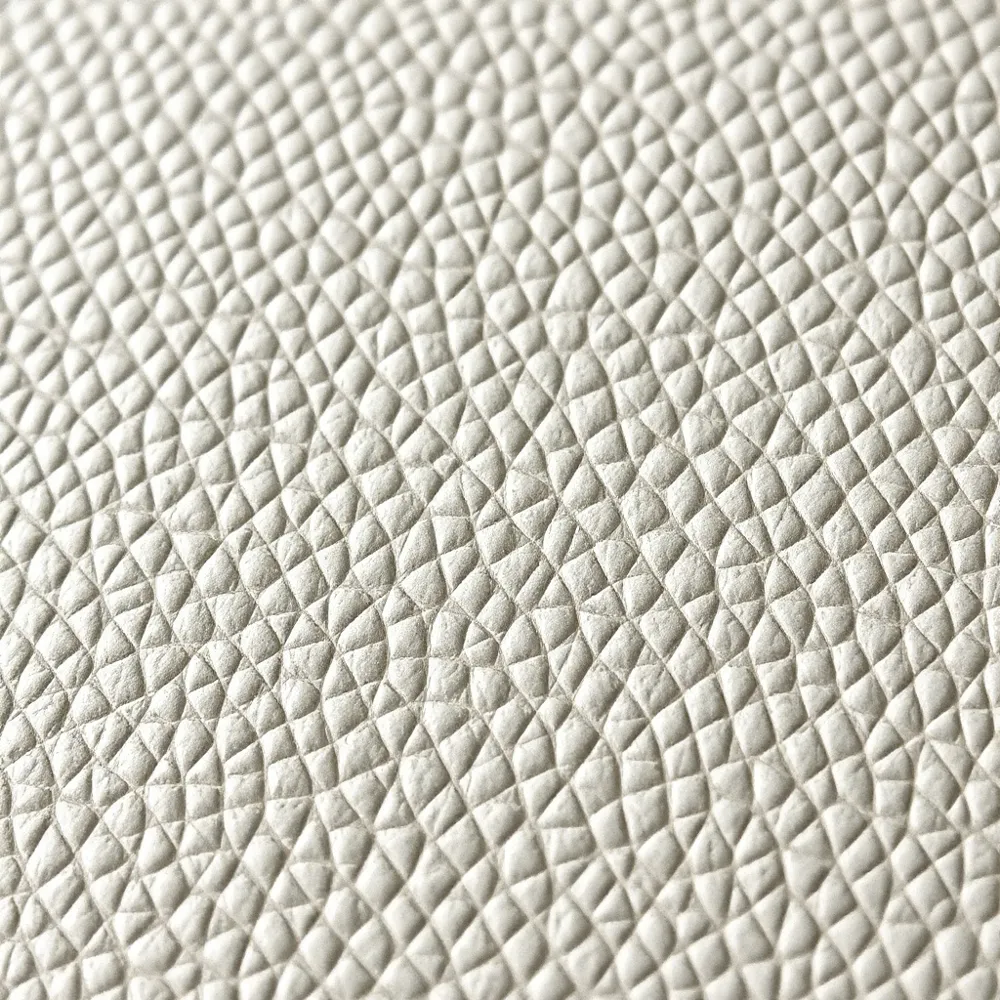
True sophistication often manifests as a deliberate rejection of overt branding in favor of silent authority. While many traditional fashion houses rely on loud logos to signify status, the quiet luxury movement prioritizes sartorial integrity and understated design above all else. At VVID, this philosophy serves as the guiding principle, anchoring our collection in the belief that authentic value should be felt through superior material choices rather than displayed as a marketing badge.
We believe that true distinction is found in the tactile excellence of high-grade materials and the architectural precision of our atelier process. By utilizing full-grain calf leather and meticulous construction techniques, we offer a level of quality that stands in sharp contrast to mass-produced footwear that often sacrifices durability for scale. While global manufacturers might prioritize volume, VVID focuses on the craftsmanship and heritage behind each piece, ensuring that our sneakers and apparel provide lasting performance alongside their refined aesthetic.
Investing in permanence is the ultimate antidote to the transient cycles that dominate contemporary retail. By curating essential pieces that transcend seasonal shifts, our clients build a versatile, long-term wardrobe that gains character over time. This focus on enduring design creates an inherent confidence, allowing the wearer to move through professional and social settings with an understated presence. For those who appreciate the quiet beauty of what remains unseen, VVID provides a bridge between traditional artisan roots and the needs of a modern, discerning lifestyle.
Mastery Through the VVID Atelier Process
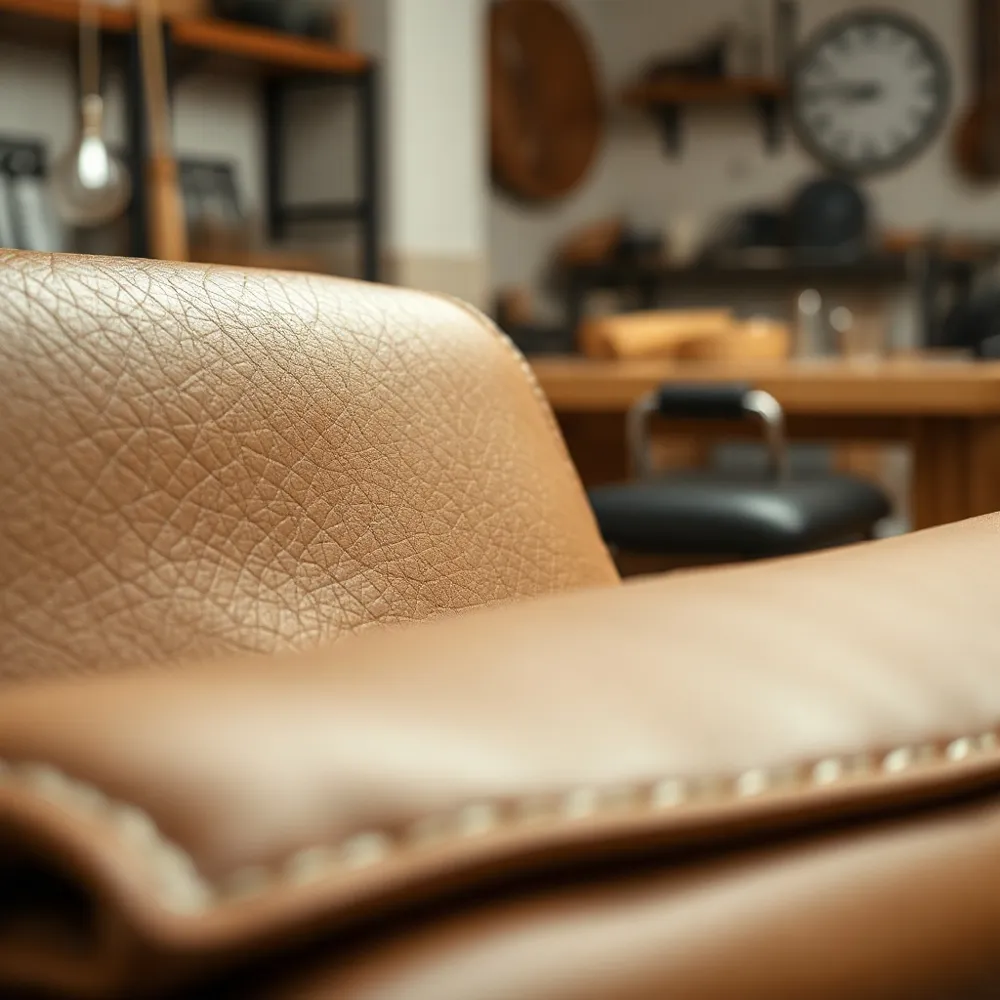
True luxury begins with a refusal to compromise on raw materials, a principle that drives every decision within the VVID atelier. While many mass-market brands rely on treated, corrected leathers to hide inconsistencies, we insist on using only full-grain calf leather. This selection allows the natural character of the hide to remain intact, providing unmatched breathability, structural strength, and a tactile richness that machine-processed alternatives simply cannot replicate.
Within our atelier, master artisans reject the compromises of mass production, instead meticulously hand-finishing every detail to ensure that each cut and perforation meets our exacting standards. This rigorous, limited-run approach protects the structural integrity of the leather while achieving an unmatched level of precision, resulting in an enduring piece of luxury that rewards the wearer with lasting comfort and timeless character.
The beauty of such high-grade natural material lies in how it matures. Unlike synthetic components that degrade or lose their shape, full-grain leather develops a unique patina that charts the journey of the wearer. By synthesizing these heritage techniques with contemporary sole engineering, VVID sneakers provide the comfort required for daily movement without sacrificing the refined, minimalist aesthetic that defines our collection.
The Soul of Indian Heritage in Modern Design
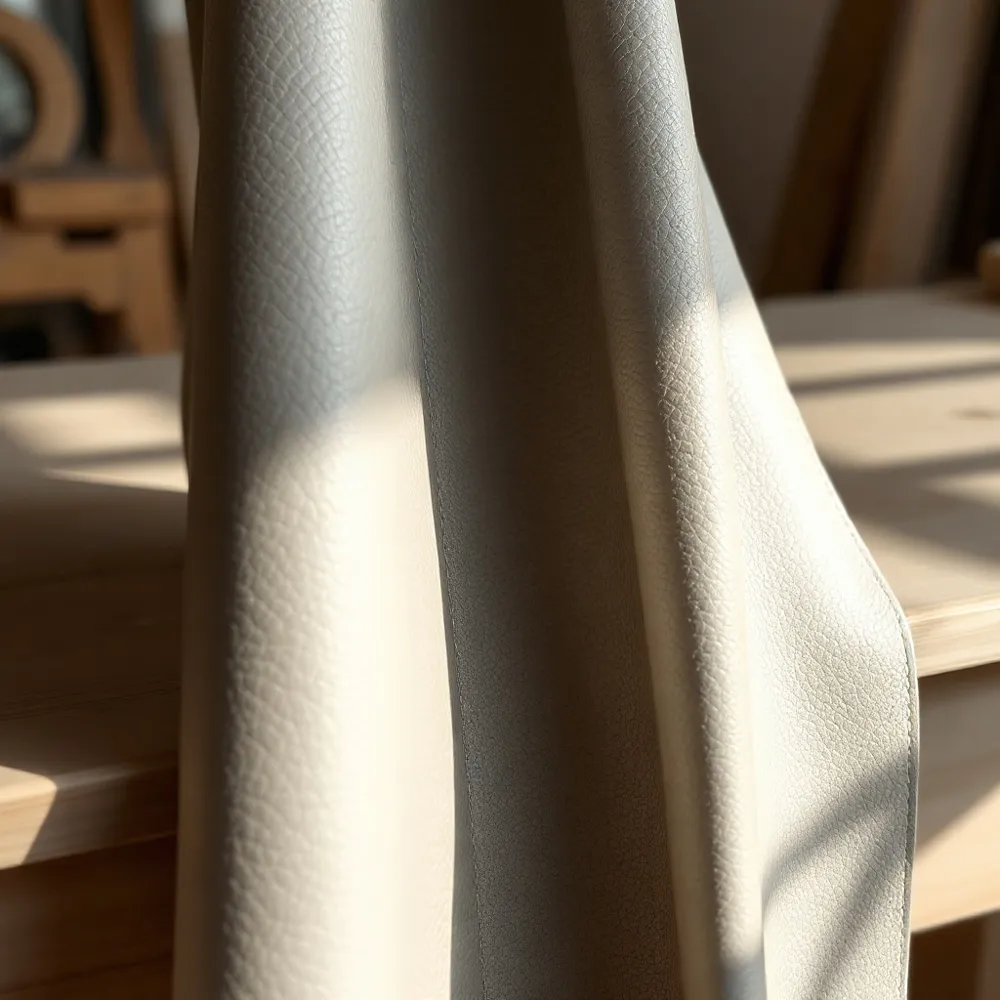
At VVID, Indian heritage serves as the soulful foundation upon which our contemporary luxury is built, transforming modern silhouettes into storied artifacts of human expression. We honor the subcontinent’s legacy of craftsmanship by integrating ancient, meticulous hand-finishing techniques into every garment we create. This marriage of tradition and modernity ensures that our oversized hoodies and joggers possess a depth and tactile richness unattainable through mass production.
By elevating regional textile artistry to meet global high-fashion standards, our artisans breathe life into each piece, creating a profound dialogue between past mastery and future-facing design. While many luxury labels outsource production to industrial facilities to increase output, VVID preserves the integrity of each design through direct engagement with skilled artisans. This process ensures that every item carries an emotional resonance, a hallmark of quiet luxury that machines simply cannot replicate.
Ultimately, our reliance on this heritage is a commitment to authentic luxury, where the patient, skilled hand of the artisan creates apparel that transcends the fleeting nature of trends. Choosing these pieces is an act of supporting individual artistry, harmonizing the divide between traditional mastery and the modern demand for durable, purposeful clothing.
Exclusivity Through Limited Production Runs
True luxury is increasingly defined by how effectively a brand resists the ephemeral cycles of mass production. While many contemporary fashion houses prioritize rapid global scaling, the VVID model centers on intentional scarcity to ensure that each item retains its beauty and purity of form. By intentionally restricting our output, we empower our artisans to dedicate meticulous focus to every hand-finished detail, ensuring a level of precision that mass manufacturing simply cannot replicate.
Why is the limited-run production model central to the VVID brand experience?
The limited-run production model is the heartbeat of the VVID experience, anchoring our commitment to intentional consumption and quiet luxury. This deliberate scarcity preserves the unique character of our pieces, offering our discerning clientele an exclusivity that transcends fleeting seasonal trends. Unlike high-volume competitors that rely on seasonal churn, our approach allows us to uphold the highest standards of material quality, ensuring that each garment or accessory remains a lasting testament to heritage craftsmanship.
By shifting focus from mass-produced commodities to limited quantities, we also address the challenge of excess. This model inherently minimizes material waste by aligning production volumes with genuine demand rather than speculative stock levels. Embracing the slow fashion movement, as outlined in studies on craftsmanship as a strategic value for luxury fashion markets, reinforces a deeper connection between the artisan and the wearer. Ultimately, choosing smaller volumes enables us to honor the slow, thoughtful pace of true artistry while providing our community with creations that are as rare as they are refined.
Curating an Enduring Personal Wardrobe
Building a wardrobe of quiet luxury begins with intentional selections that prioritize construction over seasonal trends. By layering hand-finished pieces against everyday staples, you achieve a balanced silhouette defined by tactile quality and understated elegance.
Longevity requires focused maintenance. Storing tailored garments in breathable covers and conditioning premium leather footwear preserves the integrity of the material, ensuring each item remains a cornerstone of your collection for years.
Ultimately, your style should reflect a commitment to craftsmanship. When you invest in items born from genuine expertise, you move beyond mere consumption to curate an enduring narrative of personal sophistication.