

A Considered Approach to Rain
Well-made leather sneakers reward close attention: the grain, hand-finished details and considered shape give them presence beyond a single season. Monsoon weather asks for a little more care, since rain and lingering humidity can affect leather, stitching and adhesives.
The first step is to understand the finish. Smooth full-grain leather, suede and treated surfaces do not all call for the same products, so follow the maker’s guidance and test any new treatment discreetly. A leather-formulated spray may add a measure of water resistance, but no treatment makes leather sneakers impervious to a heavy downpour. Firstpost’s monsoon shoe-care guide also advises treating water resistance as protection, not a guarantee.
For VVID’s limited-run Croco Edition, crafted from full-grain calf leather, restraint is part of preserving the material and its finish. This guide follows a practical sequence: reduce exposure where possible, choose care products suited to the leather, then clean, dry and condition thoughtfully after a wet outing. The aim is not to make fine footwear weatherproof, but to help it retain its character through the season.
Why Monsoon Weather Challenges Leather
Leather sneakers meet more than rain during the monsoon. Leather is porous, so it absorbs moisture, while persistent dampness can affect the materials holding a shoe together, including its adhesives, stitching and insoles. A carefully finished upper is only one part of the construction at risk.
Repeated soaking can distort a shoe’s shape. As moisture and drying disturb the leather’s natural oils, the surface may lose suppleness and become stiff or prone to cracking. Mud, salt and polluted rainwater can also leave marks that are difficult to remove. These are reasons to treat a pair of full-grain leather sneakers, such as VVID’s Croco Edition, with care rather than assume a surface treatment makes it immune to weather.
Humidity brings a separate concern: shoes that remain damp may develop mould, mildew or odours. The monsoon shoe care guide describes how wet conditions can affect both leather and the construction beneath it. Letting footwear dry fully between wears helps limit prolonged exposure to moisture.
For costly leather footwear, avoiding a heavy downpour is the most reliable protection. Even treated leather can become saturated in severe rain, so a spray should not be mistaken for a guarantee. VVID’s limited-run sneakers are made from full-grain calf leather and hand-finished by Indian artisans; preserving their shape and finish begins with choosing a drier day when the forecast turns unsettled.
Choose Protection for the Leather Finish
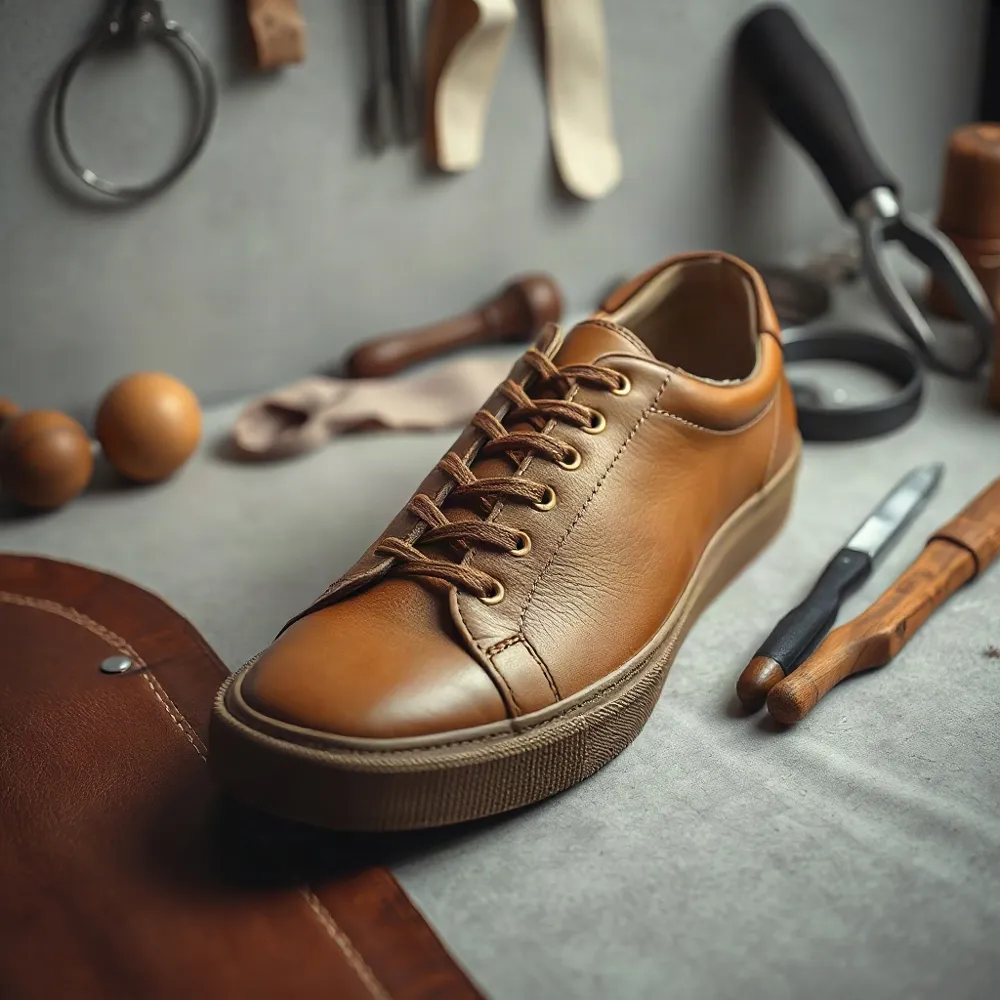
The right protection for leather sneakers depends on the material and finish, not just the forecast. A spray suited to suede or textile should not automatically be applied to smooth leather. For VVID's Croco Edition, made from full-grain calf leather, care should respect the character of the natural grain rather than treating every surface alike.
Smooth full-grain leather retains the hide’s outer grain layer, which offers some natural protection. That does not make it impervious to rain, but routine waterproofing spray may leave a surface barrier that limits how well conditioner or shoe cream reaches the leather. It also stresses checking care recommendations and testing a product discreetly before use.
For smooth leather, conditioner or shoe cream can help maintain suppleness, while wax polish offers another option for surface protection. Wax does not necessarily repel water as strongly as a spray, so it is not a promise against heavy rain. The aim is a considered balance: protect the finish while still allowing appropriate nourishing products to do their work.
Waterproofing sprays may be more suitable for suede, nubuck or textile, where they can form a barrier against moisture. Yet materials and finishes vary, and some footwear may already have a water-resistant treatment. Read the shoe-care guidance and the product label before applying anything; avoid assuming that one approach fits every pair.
Formulations matter, too. Some care advice cautions against silicone sprays, and products can interact differently with leather and later conditioning. For artisan-made footwear, including VVID's hand-finished leather sneakers, preserving the intended surface is part of caring for the craft. When uncertain, follow the footwear maker’s instructions and test a treatment on a small, inconspicuous area first.
Apply a Suitable Spray with Care
For leather sneakers, a waterproofing spray is an optional surface layer, not a promise that rain cannot reach the leather. If the footwear maker permits a leather-formulated product, follow its instructions closely and regard the treatment as added resistance for light exposure, not protection from every downpour.
Before applying anything, check the care guidance for both the shoes and the spray. Formulas can behave differently across leather finishes, so test the product on a small, inconspicuous area and allow it to dry before treating the rest of the shoe. This measured approach helps preserve the finish and the hand-worked details found on VVID’s limited-run, full-grain calf-leather sneakers.
A water-resistant label does not mean waterproof. Heavy rain can still saturate treated leather, so avoid relying on spray as a substitute for sensible care. Monsoon shoe-care guidance also recommends checking product directions and testing first.
Consider the longer-term needs of the leather before choosing a spray. Smooth full-grain leather benefits from suitable conditioning to help maintain suppleness; a surface treatment may affect how later care products reach the leather. For VVID’s artisan-made sneakers, use protection sparingly and follow the maker’s guidance so rain resistance does not take priority over preserving the material.
Respond Promptly After a Wet Outing
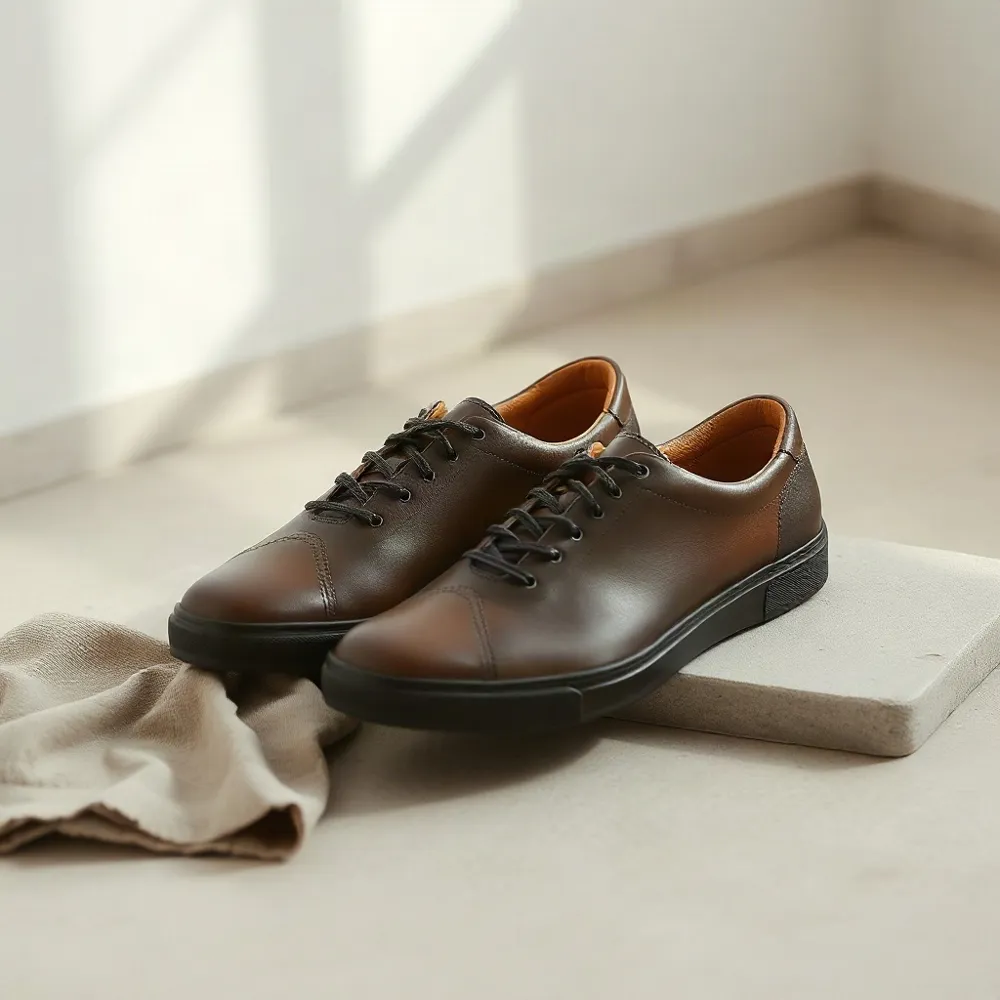
A wet outing need not undo the character of carefully made leather sneakers, but prompt, gentle attention helps keep grit from settling into the finish. VVID’s hand-finished leather sneakers reward this measured care: remove mud and loose dirt with a soft, damp cloth before they dry, and avoid vigorous rubbing that could mark the surface. Firstpost’s monsoon shoe-care guide also recommends wiping away grime promptly.
Take out the laces so moisture does not remain trapped against the leather. If the sneakers are soaked, remove the insoles as well and let both components dry separately. Blot any moisture inside the shoe with a clean, soft cloth, then clear grit from the outsole. Position the sneakers so air can reach the soles, rather than leaving them flat on a damp surface.
Loosely fill each shoe with newspaper or unprinted paper to absorb moisture and help the upper hold its shape. The paper should sit inside without stretching the leather. Check it as the shoes dry and replace it once saturated; wet paper left in place can hold moisture against the interior instead of drawing it away.
Let the leather sneakers rest in a well-ventilated area before considering any further care. Rushing to clean or condition leather while it is still damp can interfere with the finish, so allow the shoes to dry naturally first.
Water marks or salt stains may become apparent only after the surface dries. Treat their appearance as a cue to inspect the leather in good light, rather than scrubbing at a mark while it is wet. For VVID’s limited-run Croco Edition, made from full-grain calf leather, a restrained response helps preserve the texture and hand-finished detail that give each pair its distinctive presence.
Dry Slowly and Restore Suppleness
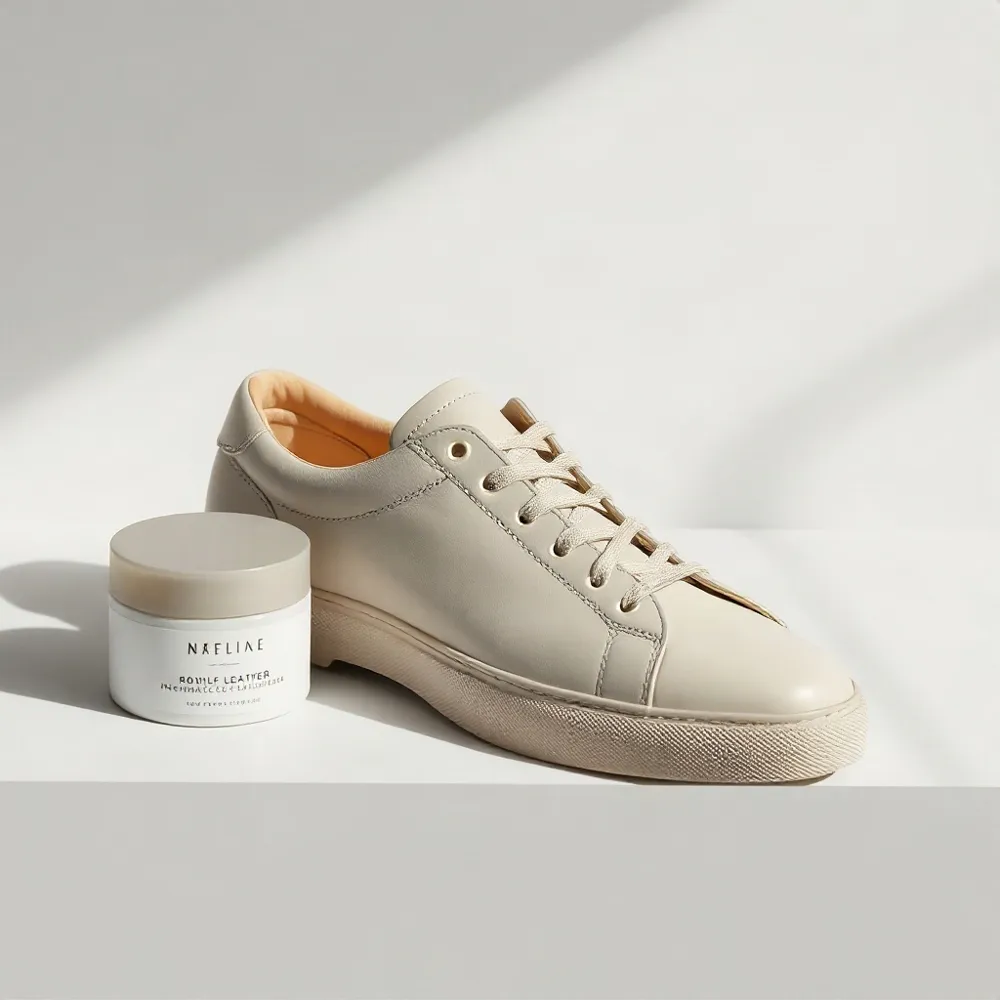
After a day in the rain, your VVID leather sneakers deserve a gentle drying ritual. Find a cool, shaded corner with good airflow, and let them rest as the moisture slowly evaporates. This patient approach honors the hand-finished full-grain calf leather and the shape that our artisans have built into each pair.
Avoid the temptation of heat: direct sunlight, radiators, or hairdryers. Rapid drying can compromise the leather's natural suppleness and the shoe's form. Instead, embrace the slow passage of time, allowing the leather to return to its original state at its own pace.
Once the leather is fully dry, it is ready for conditioning. Choose a nourishing cream suited to fine leather and apply it with a soft cloth, working it gently into the surface. This step replenishes the moisture lost during drying and keeps the leather soft and resilient.
For VVID's Croco Edition, also crafted from full-grain calf leather, the same mindful care applies. Each pair benefits from attention to its material needs, rather than a generic routine.
Machine washing is not recommended for leather sneakers. The agitation and water can weaken the bonds that hold the shoe together. Instead, clean them gently by hand and allow them to dry slowly—a more considered approach that extends the life of your finely made footwear.
Store Shoes for the Next Wear
Thoughtful storage helps leather sneakers hold their shape and finish between outings. Put them away only when fully dry: a cool, dry, well-ventilated spot is preferable to a cupboard that traps dampness. Sealed plastic boxes and airtight bags can hold moisture around the leather, creating conditions for mould and mildew. A monsoon shoe-care guide also recommends keeping stored footwear dry and allowing air to circulate.
For VVID’s hand-finished leather sneakers, preserving the silhouette is part of caring for the craft. Slip in clean paper or shoe trees after the shoes have dried; either can help support their shape. Leave space between pairs rather than pressing them together, and consider placing silica gel or another moisture absorber in the storage area during humid weather.
Check stored shoes from time to time, especially through a long spell of rain. If you spot early mould or mildew, wipe the affected area promptly with a damp cloth, then let the sneakers dry completely in a ventilated place before wearing them. Avoid returning them to storage while any dampness remains.
Rotating between pairs gives each pair time to air out fully before its next wear. This simple habit can help limit lingering odours and reduce repeated damp stress on the adhesives. VVID’s limited-run designs reward that measured care: a little breathing room between outings helps preserve both their finish and the shape established by the atelier.
Protect the Craft with Restraint
Caring for leather sneakers is less about relying on a single waterproofing product and more about making thoughtful choices at each stage. A spray may suit one finish and be unsuitable for another, so begin by identifying the leather and following the maker’s guidance.
When heavy rain is forecast, keeping prized pairs out of the downpour is the simplest precaution. If they do get wet, remove surface grime gently and let them dry in a shaded, well-ventilated place. Wait until the leather is completely dry before applying conditioner, allowing the material to recover without trapping dampness.
This measured routine respects the qualities that make a carefully made pair worth keeping. At VVID, full-grain calf leather and hand-finished details give each sneaker its distinct character. Gentle care helps preserve the leather, the intended shape and the precision of that finish, so the shoes can remain part of your wardrobe for seasons to come.